


What Delays Remodel Projects in Los Angeles?
If you’re planning a remodel in Los Angeles, one of the most common questions is not just how long it will take, but what could delay the project.
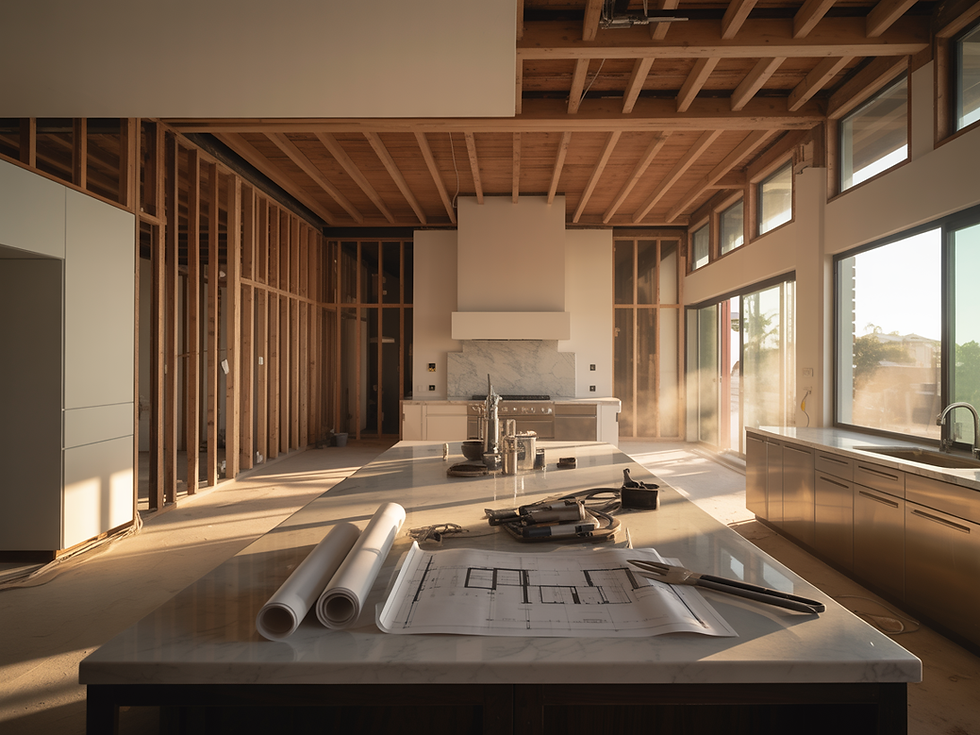
While construction timelines are often discussed in terms of months, the reality is that remodel delays are rarely caused by a single factor. Instead, delays typically stem from a combination of planning, permitting, coordination, and site-specific conditions.
Understanding these factors early can help homeowners set realistic expectations and reduce frustration during the remodel process.
1. Permitting and Plan Review Timelines
Permitting is one of the most significant contributors to remodel delays in Los Angeles. Projects involving structural changes, electrical work, plumbing relocation, or additions typically require city review and approvals. Review cycles often include plan check comments, revisions, and resubmittals, which can extend timelines.
Because permitting often introduces multiple review cycles and revisions, understanding the process early can be helpful. Our guide to Why Permitting Takes So Long in Los Angeles provides additional insight into how city approvals influence remodel timelines.
2. Design Changes During Construction
Design evolution is a normal part of remodeling, but changes made after construction begins can introduce delays.
Late decisions may require:
Additional drawings
Material substitutions
Schedule adjustments
Re-inspections
Projects that invest more time in design development before construction typically experience fewer disruptions. For a broader overview of early planning considerations, visit our Planning a Remodel Resource Hub.
3. Hidden Conditions Behind Walls
Older Los Angeles homes often reveal unforeseen conditions once demolition begins. These may include outdated wiring, plumbing issues, structural inconsistencies, or insulation deficiencies. Addressing these conditions is necessary for safety and code compliance, but it can extend the timeline.
Hidden conditions are one of the most common reasons remodel timelines evolve during construction. We explore this further in Common Causes of Construction Delays.
4. Inspection Scheduling
Remodel projects require inspections at key milestones, particularly when structural, plumbing, or electrical work is involved.
Scheduling inspections and addressing corrections when required can add time between phases of construction.
5. Material Lead Times
Certain finishes, appliances, and custom fabrication items can have extended lead times. Specialty materials, custom cabinetry, and imported fixtures may affect installation sequencing. Planning selections early helps mitigate these delays.
Planning selections early and understanding how finish choices influence coordination can help reduce delays. Our Luxury Remodel Cost Guide (Los Angeles) offers additional insight into how material decisions affect remodel planning.
6. Occupied Homes and Site Logistics
Remodeling while living in the home can slow progress due to safety considerations, phased construction, and limited work hours. Site access, parking constraints, and neighborhood logistics may also influence scheduling.
Living in the home during construction introduces unique logistical challenges that can influence sequencing and duration. You can learn more about planning expectations in our Remodel Planning Timeline.
7. Coordination Across Trades
Remodel projects require sequencing across multiple trades. Delays in one phase can affect downstream work, particularly when inspections or material deliveries are involved.
Effective coordination helps reduce these ripple effects but cannot eliminate them entirely.
How to Reduce Remodel Delays
While delays cannot be completely avoided, homeowners can minimize risk by:
Investing time in planning before construction begins
Making key design decisions early
Selecting materials ahead of schedule
Maintaining flexibility for unforeseen conditions
Setting realistic expectations for permitting and inspections
Understanding that remodeling is a process — not a linear timeline — helps homeowners navigate the experience more confidently.
A Thoughtful Next Step
If you’re planning a remodel and want help understanding timeline expectations and how potential delays may apply to your home, a planning call can help clarify next steps.
You can also explore our Planning a Remodel Resource Hub for additional guidance.


Comments