


Is My Property a Good Fit for an ADU?
Updated: Jan 22
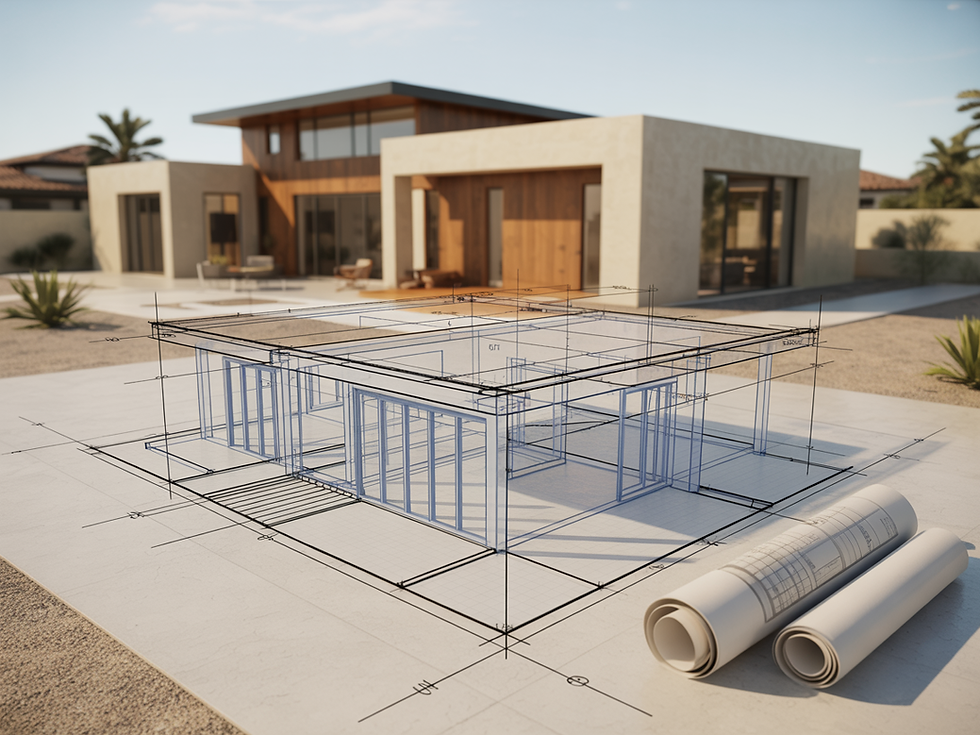
One of the most common questions homeowners ask when considering an accessory dwelling unit (ADU) is whether their property is actually a good candidate. While Los Angeles has made ADU development more accessible in recent years, not every property is equally suited—and even qualifying properties can come with constraints that affect cost, design, and timeline.
Understanding these factors early can save time, reduce frustration, and help you plan more realistically.
Why Feasibility Matters Early
Many ADU challenges don’t arise during construction—they show up much earlier, during planning. Assumptions about what should be possible can lead to redesigns, delays, or unexpected costs once zoning, utilities, or site conditions are fully reviewed.
A basic feasibility review helps answer an important question upfront:
Is an ADU possible on this property in a way that makes sense for your goals?
Zoning and Property Characteristics
Zoning regulations are one of the first things to review when evaluating ADU potential. While many residential properties in Los Angeles allow ADUs, zoning still influences:
Setback requirements
Lot coverage limits
Height restrictions
Overlay zones or special conditions
Even when ADUs are allowed, these factors can affect where the unit can be placed and how large it can be. For a broader overview of how zoning fits into ADU planning, visit our Planning an ADU resource hub.
Lot Size, Layout, and Existing Structures
Beyond zoning, the physical layout of a property plays a major role in feasibility.
Important considerations often include:
Lot size and shape: Narrow or irregular lots can limit placement options.
Existing structures: The location of the main house, garage, or other buildings affects setbacks and access.
Rear yard space: Detached ADUs typically require sufficient usable space.
Topography: Slopes, retaining walls, and drainage can increase complexity.
These factors don’t necessarily prevent an ADU—but they can influence design flexibility and cost.
Utilities and Infrastructure
Utility capacity is one of the most overlooked aspects of ADU feasibility. Many projects require upgrades or modifications to existing systems, including:
Electrical service
Water supply
Sewer connections
Gas service
In some cases, the distance between the ADU and existing utility connections can significantly impact scope and budget. Addressing utilities early helps avoid surprises later in the process.
Access, Parking, and Site Logistics
While recent regulations have reduced or eliminated parking requirements for many ADUs, site access remains an important consideration.
Questions to think through include:
How will construction crews access the site?
Is there sufficient space for staging and materials?
Will existing structures need to be modified to allow access?
These logistical details can influence both timeline and overall project experience.
Neighborhood and Context Considerations
While ADU regulations are statewide, local context still matters. Neighborhood characteristics, proximity to transit, and surrounding development can influence planning decisions and expectations.
Understanding how an ADU fits within its surroundings helps ensure smoother approvals and better long-term outcomes.
What If My Property Has Constraints?
It’s important to note that many successful ADU projects involve constraints. Properties with limited space, utility challenges, or zoning limitations can still work—but they often require more thoughtful planning and coordination.
The key is understanding those constraints early and planning accordingly.
A Practical Next Step
If you’re unsure how these factors apply to your property, reviewing them in context can help clarify what’s realistic.
Our Planning an ADU hub brings together resources on feasibility, cost, timelines, and real project examples to help homeowners make informed decisions.
If you’d like to talk through your property and goals in more detail, a planning call can help determine whether an ADU is a good fit and what next steps might look like.
Not every property is the same—but with the right information, most homeowners can gain clarity about what’s possible before moving forward.


Comments